Best Coastal Homeowners Insurance: What You Need to Know
Explore coastal homeowners insurance options, coverage considerations, and alternatives to help protect your coastal home from storms, wind, flooding, and other risks.

Explore coastal homeowners insurance options, coverage considerations, and alternatives to help protect your coastal home from storms, wind, flooding, and other risks.
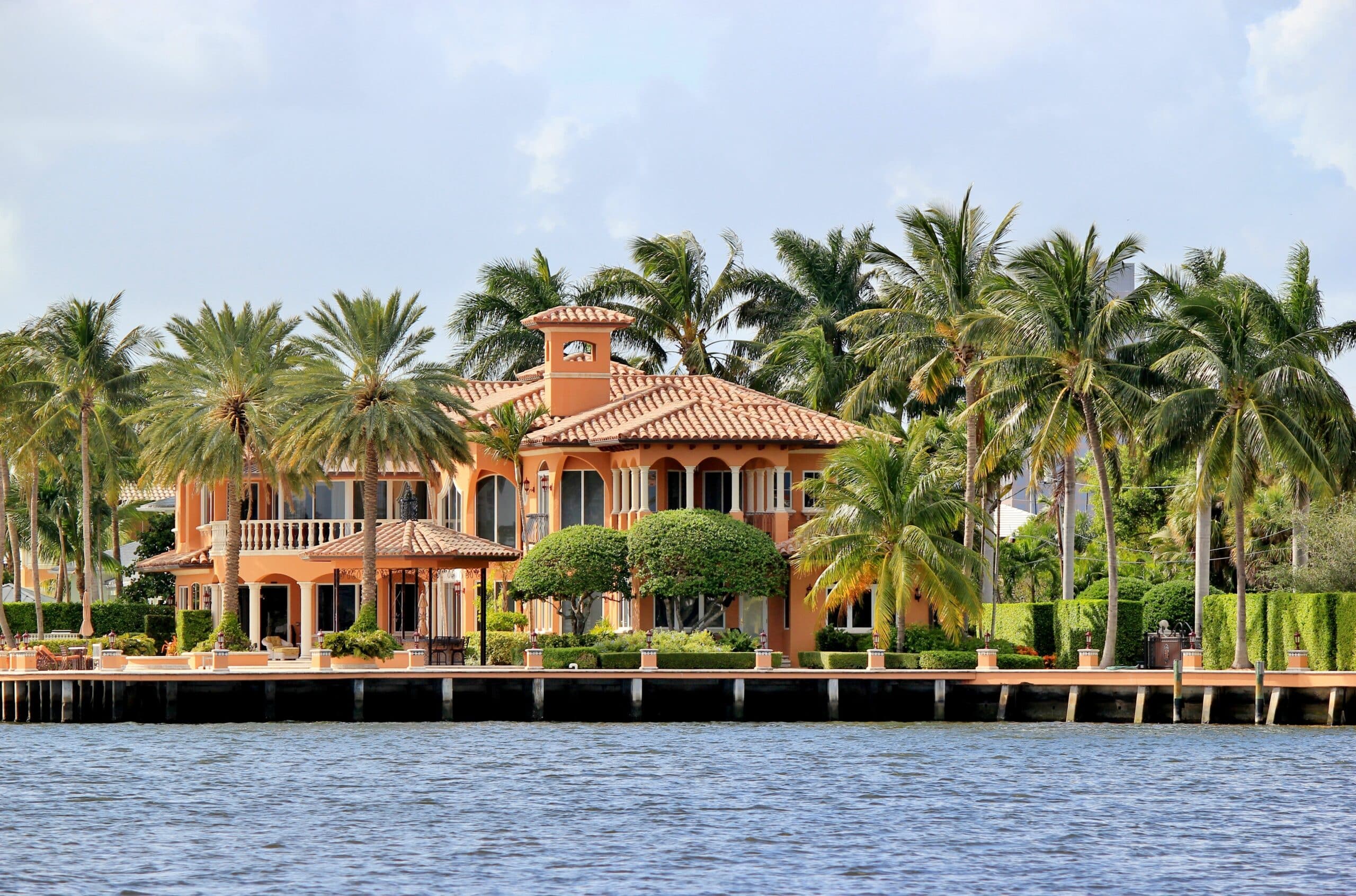
Owning a home near the water is a dream for many families. Whether it is a beachside cottage, a coastal vacation property, or a full-time residence with ocean views, the lifestyle offers a sense of peace and beauty that is hard to match. Yet coastal living also comes with serious risks. Homes located on or near the shoreline face exposure to hurricanes, tropical storms, flooding, and high winds that can cause severe damage. For this reason, securing reliable coastal homeowners insurance is essential.

Standard homeowners insurance may not be enough for properties located in high-risk coastal zones. Many traditional policies exclude or limit coverage for windstorms, hurricanes, and flooding, which are among the most common causes of loss along the coast. A dedicated coastal homeowners insurance policy is designed to fill these gaps by providing protection that accounts for the unique risks of shoreline living.
For example, a house in Florida may require additional windstorm coverage, while a property in South Carolina or North Carolina may face stricter underwriting requirements due to hurricane activity in the Atlantic. On the Gulf Coast, from Texas to Louisiana, insurers may limit how many high-risk coastal properties they cover in order to manage exposure after large storms. This often leads to higher premiums or even nonrenewals for homeowners who live in these areas.
When private insurers reduce or deny coverage, many states operate last-resort insurance programs known as FAIR Plans. These state-backed policies are designed to ensure that homeowners in high-risk areas still have access to basic protection. While FAIR Plans generally provide limited coverage compared to private insurers, they can serve as a safety net for homeowners who cannot find insurance elsewhere. Coastal states such as Texas, and Mississippi have well-known FAIR Plan options that step in when homeowners are unable to secure standard coverage. Florida has perhaps the busiest FAIR Plan, called Citizens Property Insurance Corp, in the U.S.
It is important to understand, however, that FAIR Plans often come with higher costs and narrower protections. For example, some FAIR Plans exclude liability or require separate flood policies. Homeowners who qualify should explore whether combining a FAIR Plan with private supplemental policies will provide the most comprehensive protection.
One of the biggest hurdles coastal homeowners face is the limited availability of coverage. Insurers carefully monitor their exposure to high-risk areas, which means they may stop writing new policies after a major hurricane or set stricter underwriting guidelines. In some cases, even homeowners with no claims history may find it difficult to get affordable coverage simply because of their property’s location. NOAA has continued to see conditions for storms increase year after year and the cost of insurance will likely follow.
Another challenge is cost. Premiums for coastal homeowners insurance are typically higher than inland coverage due to the elevated risk of storm-related losses. Deductibles may also be structured differently, with separate wind or hurricane deductibles that are calculated as a percentage of the home’s insured value rather than a flat dollar amount. For a $400,000 home, a 5% hurricane deductible would mean paying $20,000 out of pocket before insurance coverage applies.

The risks faced by a coastal property in New Jersey will be different from those in Florida or Alabama. Understanding the specific weather and environmental hazards of your region will help you choose the right type of coverage.
Lenders often require homeowners in high-risk zones to carry certain types of insurance, such as flood coverage in federally designated floodplains. Make sure your insurance policy meets or exceeds your mortgage requirements.
While it is tempting to shop for the lowest premium, it is equally important to understand what is and is not included in the policy. Pay attention to exclusions, deductibles, and whether additional policies such as flood insurance are necessary.
Even if you qualify for private coverage today, it is useful to be familiar with your state’s FAIR Plan in case your insurer declines to renew your policy in the future. Knowing this safety net exists can help you plan ahead.
Coastal homes are often among the most valuable properties in the country, but they are also some of the most vulnerable. Skipping coverage or relying only on partial protection can leave homeowners exposed to devastating financial losses. A single hurricane can cause hundreds of thousands of dollars in damage, and without insurance, rebuilding or repairing could be impossible. Consumers often try to navigate this fight on their own, when what they really need is a specialist.
Coastal homeowners insurance plays a vital role in protecting properties located near the water. From hurricanes and tropical storms to flooding and high winds, the risks are too significant to ignore. While finding coverage in coastal areas can be challenging and sometimes costly, understanding the options available, including FAIR Plans and supplemental policies, can make the process easier.
Homeowners in states like Florida, Texas, South Carolina, and beyond should regularly review their insurance to ensure it provides adequate protection. The peace of mind that comes with knowing your coastal property is safeguarded is worth the effort it takes to secure the right coverage.
For more than 20 years, we specialize in one thing: connecting homeowners with agents who truly understand high-risk coverage. Coastal property insurance sits at the top of that list, since shoreline homes rarely fit the mold that standard carriers prefer. Our focus lets us match your situation with a licensed specialist who knows your region, your weather patterns, and the underwriting rules that actually apply to your address.
Shopping for coverage on your own often means repeating your story to agent after agent, with no promise anyone can help. We take a different path. You get one dedicated, licensed specialist who reviews your home, your history, and your goals, then builds a plan around what you actually need. It is personal attention from someone who treats your coverage like it matters, because it does.


Coastal homeowners insurance is a type of homeowners coverage designed for properties located near oceans, gulfs, or large coastal bodies of water. Because homes in these areas face higher risks, like hurricanes, windstorms, and storm surge, coastal policies often have special requirements or separate deductibles for wind or named storms. Many standard insurance companies avoid higher-risk coastal zones, so homeowners may need a specialist, surplus-lines carrier, or state-backed option to find the right coverage.

Coastal homeowners insurance is more expensive because homes near the coast face significantly higher risks from hurricanes, tropical storms, storm surge, and wind damage. Insurance companies must price these risks into the policy, which leads to higher premiums and often higher deductibles for wind or named storms. In many coastal regions, fewer insurance carriers are willing to write policies at all, and when competition is limited, the remaining carriers charge more to stay financially stable. Additionally, rebuilding costs along the coast are often higher due to stricter building codes and higher labor/material costs, which also pushes premiums upward.

Coastal homeowners insurance typically covers the same core protections as a standard homeowners policy, such as fire, theft, and liability, but it also includes coverage for risks that are more common near the coast. These policies usually provide protection against wind damage from hurricanes or tropical storms, though this often comes with a separate, higher deductible. Storm surge and flooding are not included in standard homeowners insurance, so coastal homeowners usually need a separate flood insurance policy through the NFIP or a private carrier. Many policies also offer coverage for damage caused by wind-driven rain, falling debris, and other storm-related hazards that are more common in coastal regions.

Yes, you almost always need separate flood insurance for a coastal home, because standard homeowners insurance does not cover flood damage. This includes storm surge, rising water, and most types of water intrusion caused by coastal storms. Flood insurance can be purchased through the National Flood Insurance Program (NFIP) or a private flood insurer, and many coastal homeowners choose to carry both homeowners and flood coverage to be fully protected. In high-risk flood zones, your mortgage lender will typically require you to have flood insurance as a condition of the loan.

A FAIR Plan is a state-backed insurance program designed to offer basic homeowners coverage to people who can’t find a policy in the private market due to high risk. It serves as a last-resort option, meaning homeowners must usually show they were denied by private insurers before they can qualify. For many coastal homeowners, the FAIR Plan becomes relevant when major carriers stop writing policies in hurricane-prone or high-wind zones, leaving them with few alternatives. While FAIR Plans can fill a gap, they typically offer limited coverage, higher deductibles, and fewer options than private insurance, so most homeowners try to secure private coverage first if possible.

Hurricane or windstorm deductibles are special deductibles that apply only when your home is damaged by a hurricane, named storm, or wind event, depending on how your policy defines it. Instead of a fixed dollar amount like $1,000, these deductibles are usually calculated as a percentage of your home’s insured value, often ranging from 1% to 10%. They’re common in coastal areas because insurers use them to manage the higher risk of severe storm damage. As a result, homeowners may have a higher out-of-pocket cost after a major storm, even if the rest of their policy has a standard deductible.