Summerlin Nevada High Risk Homeowners Insurance
Looking for Summerlin Nevada High Risk Homeowners Insurance? Discover affordable, reliable coverage options to protect your property.

Looking for Summerlin Nevada High Risk Homeowners Insurance? Discover affordable, reliable coverage options to protect your property.
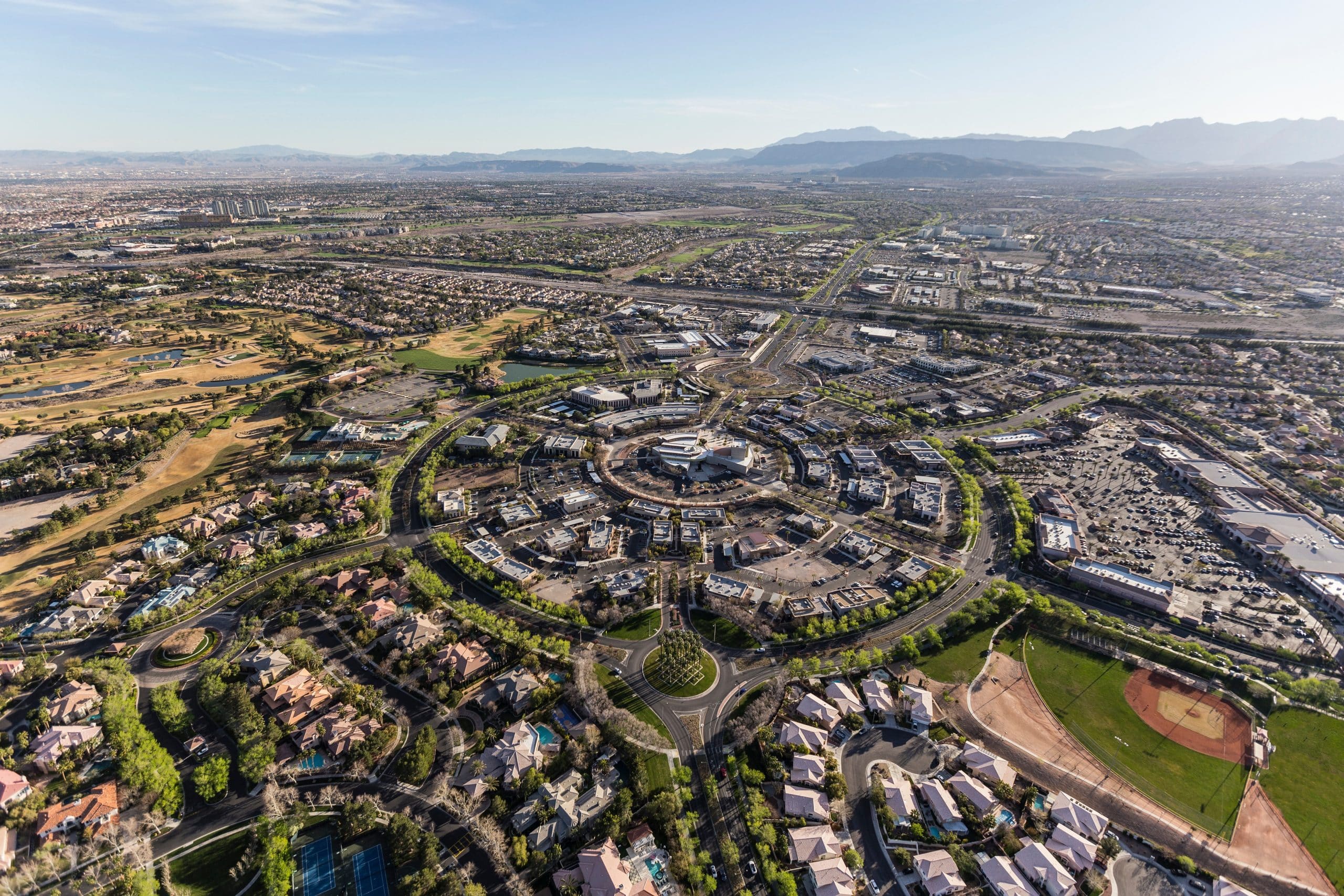
Summerlin, NV, located on the western edge of Las Vegas, is a vibrant and affluent master-planned community. With stunning views against the stunning backdrop of the Red Rock Canyon National Conservation Area, Summerlin is part of Clark County and is known for its upscale neighborhoods, parks, and recreational facilities. Developed in the late 1980s by the Howard Hughes Corporation and named after Howard Hughes’ grandmother, Jean Amelia Summerlin, the community has grown into one of the most sought-after residential areas in the Las Vegas metropolitan region.
While Summerlin offers a high quality of life, homeowners in this area face a variety of risks that can lead to significant insurance claims. Understanding these risks is crucial for ensuring adequate homeowners insurance coverage and being prepared for potential disasters.
LocationCommunity: Summerlin, NV County: Clark County Approx. population: Large master-planned Las Vegas-area community Elevation: Roughly 3,000+ ft in higher western areas Latitude: 36.1580 Longitude: -115.3200 | Climate & Severe WeatherRainfall: Low annual rainfall, though monsoon storms can produce localized heavy runoff. Snowfall: Rare in most residential areas. Seasonal temperatures: Hot summers, often 100°F+, with cooler foothill nights in some areas. Storm pattern: Monsoon storms, lightning, wind, dust, flash flooding, and intense heat. |
Flood, Water & TerrainFEMA notes: Flood exposure can vary near washes, hillside drainage, detention basins, storm channels, and low-lying roads. Terrain: Desert foothill and master-planned suburban terrain near the Spring Mountains and Red Rock area. | Fire & Insurance ContextWildfire notes: More relevant near desert-edge, foothill, brush, and open-land areas than in dense interior neighborhoods. FAIR Plan: Nevada does not currently have a traditional FAIR Plan. Likely challenges: Heat-related roof aging, hillside drainage, monsoon runoff, wind/dust damage, wildfire exposure near open land, and high-value home replacement cost. |
Earthquakes: Though Nevada is not as earthquake-prone as neighboring California, it remains seismically active. Summerlin, like the rest of the Las Vegas Valley, can experience minor to moderate earthquakes, which pose a risk of structural damage to homes. A notable historical event was the Landers earthquake in 1992, which, despite its epicenter being in California, was felt strongly in Nevada. The tremors caused minor structural damages in Summerlin, raising awareness about earthquake preparedness and leading to insurance claims for repairs.
Flooding: Flash flooding is a significant concern in Summerlin, particularly during the summer monsoon season. Heavy rains can overwhelm the drainage systems, resulting in water damage to homes. In August 2012, a severe flash flood hit the Las Vegas Valley, including Summerlin, turning streets into rivers and causing substantial water damage to numerous homes. This event resulted in a high volume of home insurance claims related to water damage.
Wildfires: The proximity to the Red Rock Canyon area makes Summerlin susceptible to wildfires, especially during dry, windy conditions. The Carpenter 1 Fire in 2013, which started in the Spring Mountains near Pahrump, Nevada, spread close to Summerlin. Although the fire did not reach residential areas, the threat led to evacuations and some smoke damage claims from homes on the periphery.
Extreme Heat: Summerlin, like the rest of the Las Vegas Valley, experiences intense heatwaves during the summer months. Prolonged high temperatures can cause significant damage to roofs, HVAC systems, and other home infrastructure. The summer of 2020 saw record-breaking temperatures, leading to a surge in claims for damages related to HVAC failures and heat-related structural issues.
High Winds: Windstorms are another common risk in Summerlin. Severe wind events can cause property damage, including broken windows, damaged roofs, and fallen trees. In July 2019, a severe windstorm with gusts up to 70 mph hit the area, resulting in extensive damage to homes and vehicles. The storm led to numerous insurance claims for roof repairs, broken windows, and tree removal.
Construction Risks: Ongoing development and construction in and around Summerlin can pose additional risks. These include damage from construction activities and increased traffic accidents, which can lead to claims for property damage and liability.
Given the variety of risks faced by homeowners in Summerlin, it is crucial to have comprehensive home insurance coverage. Here are some tips to mitigate these risks:
By understanding and preparing for these risks, homeowners in Summerlin can protect their properties and ensure peace of mind. Comprehensive insurance coverage and proactive measures can help mitigate potential losses and ensure that residents can enjoy all the benefits of living in this beautiful community.
Q: What types of natural disasters should homeowners in Nevada be most concerned about? A: Homeowners in Nevada should be particularly concerned about earthquakes, flash floods, and wildfires. These natural disasters have the potential to cause significant property damage and lead to substantial insurance claims.
Q: Does standard homeowners insurance cover earthquake damage? A: No, standard homeowners insurance policies typically do not cover earthquake damage. Homeowners in Nevada should consider purchasing additional earthquake insurance to protect against potential structural damage from seismic activity.
Q: How can I protect my home from flash floods? A: To protect your home from flash floods, ensure that your property has proper drainage systems and consider installing flood barriers. Additionally, purchasing flood insurance is recommended as standard homeowners policies usually do not cover flood damage.
Q: What steps can I take to reduce the risk of wildfire damage? A: To reduce the risk of wildfire damage, create a defensible space around your home by clearing away flammable vegetation, using fire-resistant building materials, and ensuring that your roof and gutters are free of debris. It’s also important to have an evacuation plan in place.
Q: Are extreme heat and high winds covered by homeowners insurance? A: Yes, most standard homeowners insurance policies cover damage caused by extreme heat and high winds. However, it’s essential to review your policy to understand the specific coverage details and any potential exclusions.
Q: How can I improve my home’s security to prevent vandalism and theft? A: Enhance your home’s security by installing security systems, including alarms and cameras, using robust locks on doors and windows, and maintaining good lighting around your property.
Q: Why is it important to review my homeowners insurance policy regularly? A: Regularly reviewing your homeowners insurance policy ensures that you have adequate coverage for the risks you face. It allows you to update your policy as needed to account for any changes in your property or personal circumstances, ensuring you are fully protected against potential losses.
By staying informed about the risks and taking proactive measures, homeowners in Summerlin and across Nevada can better protect their properties and minimize the impact of potential disasters.