Spring Valley High Risk Homeowners Insurance
Looking for Spring Valley Nevada high-risk home insurance? Discover affordable, reliable coverage options to protect your property.

Looking for Spring Valley Nevada high-risk home insurance? Discover affordable, reliable coverage options to protect your property.
I’ll never forget a call I had with a family on the verge of losing their home. They had faced one setback after another, and the insurance system that was supposed to be their safety net had failed them. That conversation gave me a powerful sense of clarity and became the driving force behind finding a new way to help consumers. This work isn’t just about policies; it’s about being a true advocate for people when they feel like they have nowhere left to turn.
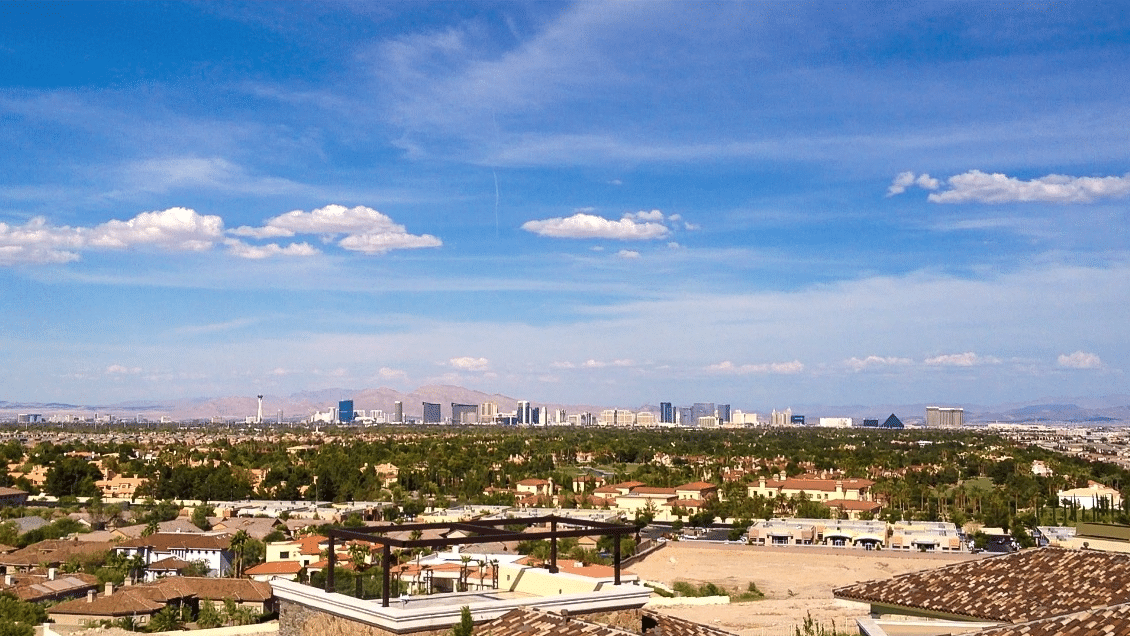
That feeling of being left behind is something many homeowners in Spring Valley, Nevada, are starting to experience. It’s a vibrant community, perfectly positioned near the energy of the Las Vegas Strip and the beauty of Red Rock Canyon. However, that unique location comes with a specific set of challenges that can make finding affordable home insurance difficult.
Many residents are blindsided by non-renewal notices or steep rate hikes, suddenly labeled “high-risk” without understanding why. My mission is to bring transparency to this process. We’re here to provide the expertise and a clear strategy you need to feel secure in your home.
LocationCommunity: Spring Valley, NV County: Clark County Approx. population: About 215,000 Elevation: Roughly 2,100 ft Latitude: 36.1125 Longitude: -115.2636 | Climate & Severe WeatherRainfall: Low annual rainfall with occasional monsoon downpours. Snowfall: Rare. Seasonal temperatures: Extreme summer heat with mild winters. Storm pattern: Monsoon storms, lightning, wind, dust storms, flash flooding, and prolonged heat. |
Flood, Water & TerrainFEMA notes: Flood exposure can vary near washes, drainage channels, and low-lying roads during heavy monsoon storms. Terrain: Desert suburban terrain with runoff and drainage considerations. | Fire & Insurance ContextWildfire notes: Generally lower than foothill-edge communities, though regional brush exposure can matter. FAIR Plan: Nevada does not currently have a traditional FAIR Plan. Likely challenges: Heat-related roof wear, monsoon flooding, wind/dust exposure, and flash-flood location concerns. |
When an insurer labels your property “high-risk,” it isn’t a personal judgment. It’s a business decision based on data suggesting your home has a higher-than-average chance of a claim. In Nevada, and particularly in a sprawling suburb like Spring Valley, this risk assessment is often tied to environmental factors like our desert climate and proximity to natural landscapes.
This designation can feel unfair, especially if you’ve been a diligent homeowner who has never filed a claim. But insurers are looking at broad trends—the potential for wildfires, the impact of extreme heat, and the possibility of flash floods during monsoon season.
When standard insurance carriers decide to limit their exposure in our area, it can leave you feeling stranded with few good options. That’s where we step in. We specialize in finding solutions when traditional options disappear, connecting you with an expert who understands the Spring Valley market.
Spring Valley’s location offers the best of both worlds, but it also creates a distinct risk profile that underwriters examine closely. Knowing these specific factors is the first step toward securing the right protection.
Spring Valley’s western edge borders the stunning Red Rock Canyon National Conservation Area. While this provides incredible views and recreation, it also places many homes in what’s known as the Wildland-Urban Interface (WUI). The dry brush and desert vegetation can become fuel for wildfires, especially during our hot, dry summers. Insurers are increasingly cautious about homes in these areas, and your proximity to this natural landscape is a major factor in their calculations.
It may be a desert, but from July to September, our monsoon season can bring sudden, intense downpours. The hard, sun-baked ground can’t always absorb this rainfall, leading to flash floods that can damage homes and property. Because standard homeowners insurance policies do not cover flood damage, this represents a significant and often overlooked vulnerability for Spring Valley residents.
The intense summer heat is more than just an inconvenience; it’s a direct risk to your property. Prolonged exposure to extreme temperatures can cause roofing materials to degrade faster, exterior paint to fail, and puts immense strain on HVAC systems. An overworked air conditioner is not just a comfort issue; it’s a potential fire hazard that insurers take seriously.
Receiving a non-renewal notice can be confusing and frustrating. It often comes down to a few key reasons.
You have more power than you think to improve your home’s risk profile. Taking these proactive steps can lead to better coverage options and more affordable premiums.
This is our area of expertise. We work within the private market, which includes specialty insurance companies (known as Excess & Surplus lines carriers) that are built to handle the risks that standard carriers avoid.
A high-risk policy should be a bridge, not a permanent destination. Our ultimate goal is to help you become eligible for the standard market again where coverage is better and more affordable.
Finding the right home insurance in Spring Valley requires a knowledgeable partner. You don’t have to navigate this challenging market alone. We are committed to being your advocate, providing the transparent advice and effective solutions you need to protect your home and family.