Top Pigeon Forge High-Risk Home Insurance: Insure Tennessee
Pigeon Forge high-risk home insurance? Discover affordable, reliable coverage options to protect your Tennessee property.

Pigeon Forge high-risk home insurance? Discover affordable, reliable coverage options to protect your Tennessee property.
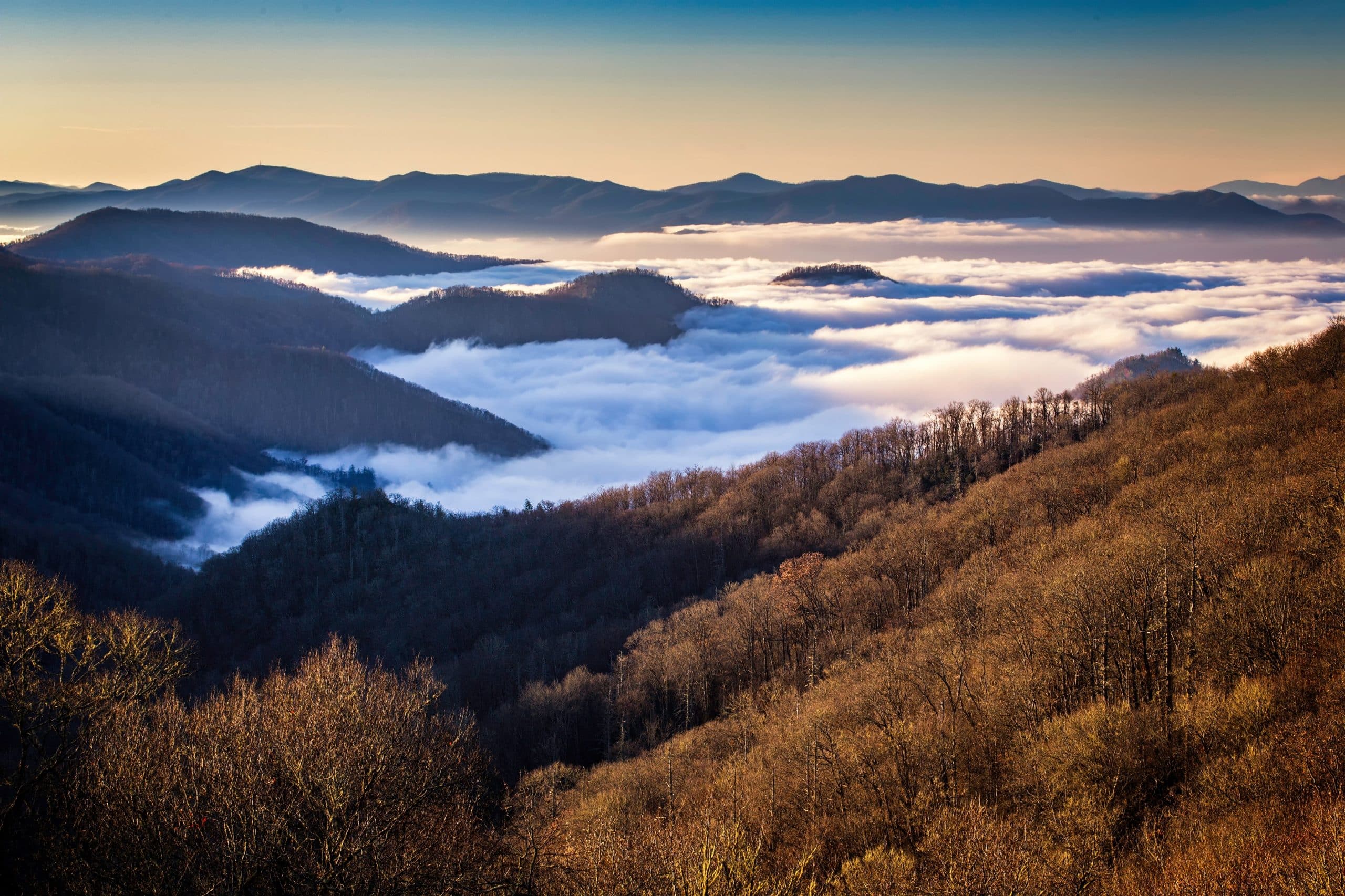
If you have visited Dollywood, driven along the Parkway past countless attractions, or taken a cabin getaway in the foothills of the Smoky Mountains, you know Pigeon Forge is unlike anywhere else. The city is a year-round destination for millions of visitors, which makes it both a bustling tourist hub and a close-knit community for locals.
Residents remember the devastating fires of late 2016 that spread from the Great Smoky Mountains National Park into nearby communities. Those fires caused tragic losses and reshaped how people think about wildfire and property protection in Sevier County.
High-risk homeowners insurance in Pigeon Forge is about preparing calmly for these risks while keeping peace of mind intact for homeowners who want to safeguard their mountain lifestyle.s and the specific risks associated with living in Pigeon Forge, you can make informed decisions to protect your home and ensure peace of mind in this beautiful, dynamic community.
LocationCity: Pigeon Forge, TN County: Sevier County Approx. population: About 6,500 Elevation: Roughly 1,000 ft Latitude: 35.7884 Longitude: -83.5543 | Climate & Severe WeatherRainfall: High rainfall influence from the Smoky Mountain region. Snowfall: Lower in town but higher in surrounding elevations. Seasonal temperatures: Humid summers with winter freeze and ice potential. Storm pattern: Heavy rainfall, mountain runoff, wind, lightning, winter storms, and occasional severe thunderstorms. |
Flood, Water & TerrainFEMA notes: Flood exposure can be higher near the Little Pigeon River, creeks, low-lying roads, and mountain drainage paths. Terrain: Mountain-valley terrain with runoff, wooded slopes, and localized drainage concerns. | Fire & Insurance ContextWildfire notes: Significant concern in wooded mountain and cabin areas. FAIR Plan: Tennessee does not have a FAIR Plan. Likely challenges: Wildfire exposure, cabin or short-term rental use, slope/access, roof condition, water intrusion, and freeze-related plumbing risk. |
Living in the foothills of East Tennessee means dealing with a variety of weather patterns. Thunderstorms are frequent in spring and summer, often bringing heavy rain, lightning, and hail. The terrain can amplify runoff, leading to localized flooding in valleys and near creeks. Winter occasionally brings ice or snow, which can stress roofs and make steep driveways hazardous.
Wildfire is also a concern, as the 2016 Chimney Tops 2 Fire reminded everyone. Dry conditions, combined with strong winds and dense forest, can quickly turn small blazes into major threats. Pigeon Forge also lies within reach of tornado systems that sweep across the South, though less frequently than in western Tennessee. These overlapping weather risks explain why insurers take a closer look at properties here.

Insurance carriers may classify a Pigeon Forge home as high-risk for several reasons. Cabins tucked into wooded hollows or perched on ridges may face wildfire exposure and limited access for fire services. Roof age is another factor, especially for properties with wood shingles or older asphalt materials. Homes with outdated wiring, plumbing, or heating systems are flagged more often since those increase the chance of claims.
Location is also important. Properties near rivers or creeks, such as along the Little Pigeon River, face higher flood potential. Vacation rentals, which are common in the area, add liability considerations because of guest traffic. A high-risk label does not mean a home is uninsurable. It simply means coverage should be placed carefully with the right carrier and endorsements.
Non-renewals and denials happen in Pigeon Forge just like elsewhere. Carriers may decline coverage if a home has repeated fire or water claims. An older roof past its expected lifespan is another common reason.
Pigeon Forge high-risk home insurance and local floodplain changes also play a role. After heavy rain events, flood mapping is sometimes updated, and homes that were not previously flagged may be placed in higher risk zones. Properties that operate as short-term rentals without the correct policy form may also lose coverage. Knowing these common issues helps homeowners take steps in advance to avoid disruption.
Pigeon Forge is defined by its tourism economy and proximity to the Smoky Mountains. The Parkway is lined with attractions, shops, and theaters, while the hills and valleys just outside town are filled with cabins and chalets. Dollywood is the most famous landmark, drawing visitors from across the country.
Many cabins are owned as second homes or investment properties, rented seasonally to tourists. This creates unique insurance needs, since rental use changes liability and policy requirements. Neighborhoods closer to the Parkway may face different risks than cabins up winding mountain roads, where access for fire or emergency services can be more difficult. Understanding these local dynamics is essential when shaping high-risk homeowners insurance in Pigeon Forge.

Despite the challenges, the insurance market in Tennessee is active. Homeowners in Pigeon Forge can still find competitive coverage through carriers that understand mountain and resort communities. Independent agents familiar with Sevier County are especially valuable, since they know which companies are comfortable with cabins, rentals, or properties near wooded areas.
The process is not about settling for less coverage. It is about finding the right match for your property’s profile. That may mean adding wildfire protection endorsements, ensuring flood insurance is in place, and adjusting liability limits for rental activity. With guidance, families can feel reassured that coverage is available.
Homeowners in Pigeon Forge can take several practical steps to make their properties more insurable. Replacing an older roof with impact-resistant materials can improve eligibility. Updating electrical or plumbing systems reduces fire and water risks. Installing smoke detectors, sprinkler systems, and security alarms can lower exposure and may qualify for credits.
For wildfire, creating defensible space around a cabin by trimming trees and clearing brush is a proven way to reduce risk. Gravel or paved driveways improve access for fire trucks. Sump pumps, French drains, and backflow valves help limit flood damage in low-lying areas. These improvements not only protect your property but also give insurers confidence in your risk management.
The best way to start is by working with a licensed agent who understands Sevier County. Share your property details, such as roof age, recent upgrades, and whether the home is used as a rental. Specialists can then compare multiple carriers and tailor quotes to your needs.
Quotes can include options for flood insurance, wildfire endorsements, and liability for guest use. A good agent will also help explain deductibles so you are comfortable with how a claim would be handled. The process is designed to be straightforward and reassuring.
The long-term outlook for insurance in Pigeon Forge is cautiously stable. Severe weather and wildfire will continue to be part of life in East Tennessee, but carriers are adapting with better risk models. Investments in community preparedness, from firebreaks to improved emergency response, also help protect residents.
Tourism ensures a steady flow of investment in cabins, homes, and infrastructure. While some properties will always be classified as higher risk, homeowners who take proactive steps can often find coverage at reasonable terms. The market remains competitive, and working with a knowledgeable agent is the key to long-term stability.

In Pigeon Forge, you should consider a comprehensive homeowners insurance policy that covers standard risks like fire, theft, and liability. Additionally, given the specific risks in the area, it’s advisable to add endorsements or separate policies for wildfires, floods, severe storms, and potentially earthquakes.
Yes, wildfire insurance is highly recommended. The 2016 wildfires demonstrated the significant risk of wildfire damage in the area. Standard homeowners policies may not provide adequate coverage, so it’s important to have additional protection specifically for wildfires.
Since Pigeon Forge is prone to flooding, particularly during heavy rains or rapid snowmelt, flood insurance is crucial. This type of insurance is typically not included in standard homeowners policies and must be purchased separately through the National Flood Insurance Program (NFIP) or a private insurer.
While not as common as wildfires or floods, severe storms and tornadoes do occur and can cause significant damage. It’s important to ensure your policy covers wind and hail damage to protect against these events.