Top Gatlinburg High Risk Homeowners Insurance: Insure Tennessee
Gatlinburg high risk homeowners insurance? Discover affordable, reliable coverage options to protect your Tennessee property.

Gatlinburg high risk homeowners insurance? Discover affordable, reliable coverage options to protect your Tennessee property.
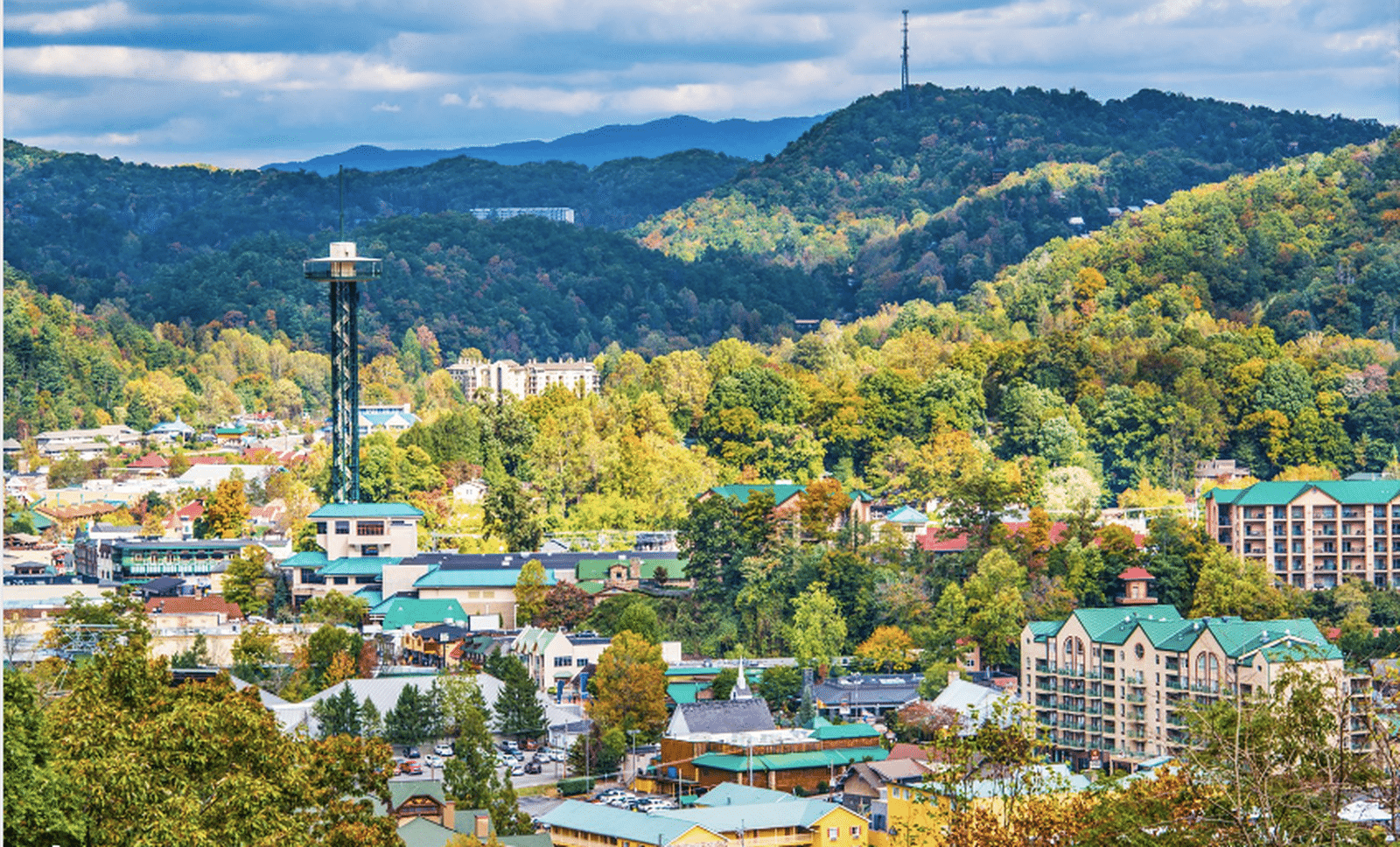
If you have taken a ski lift up to Ober Mountain, walked through the Great Smoky Arts & Crafts Community, or visited the entrance to Great Smoky Mountains National Park, you already know Gatlinburg’s unique appeal. It is a place where tourism and small-town living intersect, and where nature is always nearby. Many residents still remember the 2016 Chimney Tops 2 Fire, which swept into Sevier County, destroyed hundreds of structures, and forced thousands to evacuate.
That event continues to shape how homeowners think about protecting their property. High risk homeowners insurance in Gatlinburg is about recognizing and addressing the realities of wildfire, storms, and short-term rentals so families and property owners feel secure.
LocationCity: Gatlinburg, TN County: Sevier County Approx. population: About 3,600 Elevation: About 1,280 ft in town, with much higher surrounding mountain terrain Latitude: 35.7143 Longitude: -83.5102 | Climate & Severe WeatherRainfall: High annual rainfall in the Smoky Mountain region. Snowfall: Lower in town, higher in surrounding elevations. Seasonal temperatures: Humid summers; winter freeze and ice events can occur. Storm pattern: Heavy rainfall, lightning, mountain runoff, wind, and occasional winter storms. |
Flood, Water & TerrainFEMA notes: Flood risk is higher near mountain streams, steep drainage paths, creek corridors, and low-lying areas. Terrain: Steep mountain terrain with heavy runoff, tree canopy, narrow valleys, and slope/access issues. | Fire & Insurance ContextWildfire notes: Significant wildfire and wildland-urban interface exposure due to forested mountain surroundings. FAIR Plan: Tennessee does not have a FAIR Plan. Likely challenges: Wildfire exposure, slope/access, short-term rental use, freeze-related plumbing risk, flood-zone proximity, roof condition, and tree damage. |
Insurers often label homes in Gatlinburg as high risk for several reasons separately from other areas of Tennessee. Properties near wooded slopes face wildfire exposure, especially in areas close to parkland or heavy forest. Steep lots increase drainage and runoff concerns during heavy rain. Gatlinburg has many cabins used as short-term rentals which bring higher liability exposure because of frequent guest turnover.
Many properties are built with log or wood siding, which carriers view as more combustible. In addition, some homes are located on narrow, winding mountain roads, making fire response more difficult. High risk does not mean uninsurable, it simply means a specialist must find the right market and structure coverage carefully.

A well-designed policy begins with replacement cost coverage that reflects the cost of rebuilding a cabin or chalet in today’s market. Because fire is the most serious risk, many homeowners add extended replacement cost and debris removal coverage. Ordinance or law endorsements help if building codes require upgrades during a rebuild.
Water backup coverage is useful for cabins with basements or homes near streams. For properties rented to tourists, the correct rental or landlord policy ensures liability is properly covered and may include loss of rental income. If your home is near a steep slope, additional coverage for landslide or erosion may be worth exploring through specialty markets.

The 2016 Chimney Tops 2 Fire burned nearly 18,000 acres, destroyed more than 2,000 structures, and caused tragic loss of life. Even though large fires of that magnitude are rare, it remains the benchmark for how insurers and residents view wildfire risk in Gatlinburg. In addition to fire, heavy summer rains can cause flash flooding or mudslides in mountain valleys. Winter storms occasionally bring snow and ice that weigh on roofs and powerlines.
Much of Gatlinburg’s housing stock consists of rental cabins and chalets built to serve the tourism industry. Many are wood-framed and located in wooded settings, which increases fire exposure. Short-term rentals must have the correct policy form. Owner-occupied homes downtown have different risks to worry about, often tied to floodplains or older construction. HOA’s in cabin communities or condos may also have specific requirements for exterior materials and repairs, which should be reflected in policy.
While there are many other businesses, tourism is the backbone of Gatlinburg’s economy. Attractions like Ripley’s Aquarium of the Smokies, Ober Mountain, and the Arts & Crafts loop bring millions of visitors each year. This near constant flow of visitors creates steady demand for rentals, which is why insurers ask whether a property is occupied by owners or guests. Policies must reflect the right usage to avoid coverage gaps.
We connect you with licensed agents who understand Gatlinburg, from cabins on Ski Mountain Road to chalets near Arts & Crafts trails. These specialists know how wildfire, slope, and rental activity affect coverage, and they can shop multiple carriers to find a balance between affordability and peace of mind.


The fire increased awareness of wildfire risk and made insurers more cautious with properties in heavily wooded or steep areas. It also highlighted the importance of additional living expenses and debris removal coverage after a major event. It also increased rates and some carriers exited the area.

Homes in forested areas or on steep slopes are more exposed to wildfire, flooding, or drainage problems. Cabins used as short-term rentals can also be considered higher risk because of frequent guest turnover. Much of the state of Tennessee consistently has had severe weather and tornadic activity.

Yes, fire damage is generally covered under standard homeowners insurance. However, homes in high fire risk areas may need additional documentation or endorsements to ensure full replacement coverage. Wildfire coverage is becoming unavailable through many carriers, especially in areas recently affected by wildfires.

Standard homeowners policies exclude flood, so a separate flood policy may be needed if your cabin is near a stream or mapped flood zone. Even outside official flood zones, mountain runoff can cause localized flooding.

Cabins used as vacation rentals require the correct policy form, often a landlord or commercial rental policy. This makes sure both property coverage and liability protections for guest use are properly included in the policy.

Yes, carriers very closely underwrite for roof age and materials, especially in areas exposed to snow, high winds or wildfires. A newer roof with fire-resistant materials can improve eligibility and pricing.