Flagstaff High Risk Homeowners Insurance
Looking for Flagstaff Arizona high-risk home insurance? Discover affordable, reliable coverage options to protect your property.

Looking for Flagstaff Arizona high-risk home insurance? Discover affordable, reliable coverage options to protect your property.
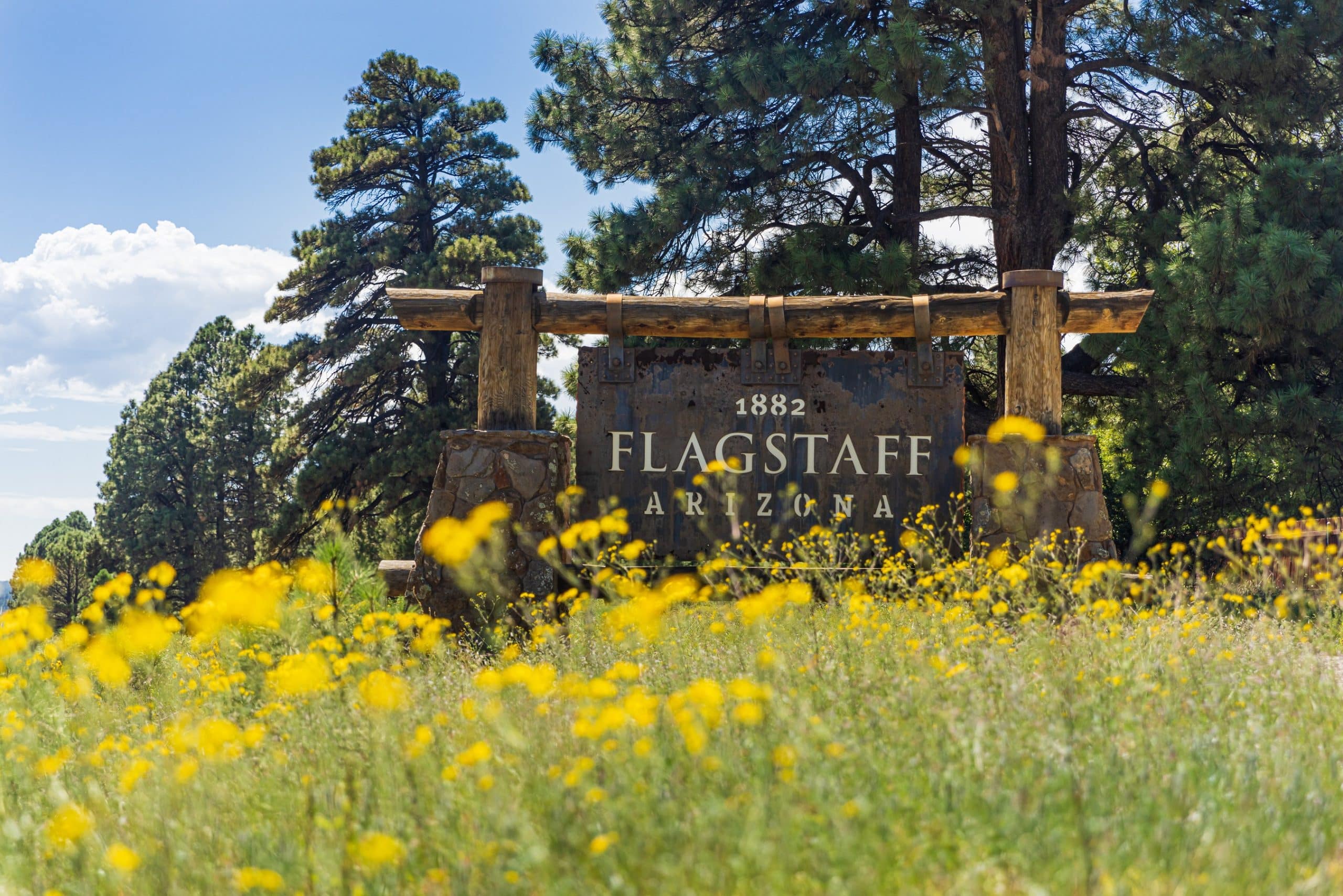
Flagstaff, Arizona, nestled on the Colorado Plateau and surrounded by the Coconino National Forest, is renowned for its scenic beauty and unique high-altitude environment. With the San Francisco Peaks as its backdrop, including Arizona’s highest point, Humphreys Peak, the city offers a picturesque setting that attracts residents and tourists alike. However, living in Flagstaff also comes with specific homeowners insurance risks that can lead to significant losses. Understanding these risks is crucial for homeowners to ensure they are adequately prepared and protected.
LocationCity: Flagstaff, AZ County: Coconino County Approx. population: About 77,000 Elevation: Roughly 6,900 ft Latitude: 35.1983 Longitude: -111.6513 | Climate & Severe WeatherRainfall/Snow: Meaningful monsoon rainfall plus heavy winter snowfall compared with most Arizona cities. Seasonal temperatures: Mild summers, but winter lows commonly drop well below freezing with snow, ice, and freeze risk. Storm pattern: Snowstorms, monsoon flooding, lightning, freeze/thaw cycles, and wildfire-season wind. |
Flood, Water & TerrainFEMA notes: Flood risk is property-specific around washes, drainages, steep slopes, burn-scar runoff areas, and low-lying neighborhoods. Terrain: High-elevation mountain and forest terrain near the San Francisco Peaks, with slope, drainage, snow load, and access issues. | Fire & Insurance ContextWildfire notes: Major concern due to ponderosa pine forest, drought, wind, and wildland-urban interface exposure. FAIR Plan: Arizona does not have a traditional FAIR Plan. Likely challenges: Wildfire exposure, defensible space, roof material, fire protection distance, snow/ice damage, freeze plumbing risk, monsoon flooding, and post-fire flood exposure. |
One of the most prominent risks to homes in Flagstaff is wildfire. The dense forests and dry climate, especially during the summer months, create a perfect storm for wildfires. The Schultz Fire in 2010 is a stark reminder of this danger. Burning over 15,000 acres northeast of Flagstaff, the fire led to the evacuation of hundreds of homes and caused extensive property damage. The aftermath was further compounded by severe flooding, as the burnt land could not absorb rainwater effectively. This event resulted in a surge of insurance claims for fire and water damage, highlighting the critical need for comprehensive coverage that includes both fire and flood insurance.
Flagstaff’s high elevation means it experiences heavy snowfall, averaging over 100 inches annually. While this winter wonderland is a draw for many, it also poses significant risks to homes. Heavy snow can lead to roof collapses and water damage from ice dams, creating substantial repair costs. For instance, in January 2019, a record-breaking snowstorm dumped over 40 inches of snow in some areas, causing widespread damage to roofs and infrastructure. Homeowners filed numerous insurance claims for structural repairs and water damage, underscoring the importance of having robust insurance policies that cover snow and ice damage.
Although Flagstaff is generally dry, the monsoon season can bring heavy rains that lead to flash floods. The risk is exacerbated in areas previously affected by wildfires, where the lack of vegetation increases runoff. Following the Schultz Fire, post-fire flooding in 2010 caused severe damage to downstream communities, leading to significant insurance claims. Homeowners should be aware that standard insurance policies often do not cover flood damage, making it essential to consider additional flood insurance, particularly in areas prone to this type of risk.
High winds and hailstorms also contribute to the insurance risks in Flagstaff. These storms can cause extensive damage to roofs, windows, and siding. In October 2019, a severe windstorm with gusts exceeding 60 mph hit Flagstaff, causing downed trees, power lines, and structural damage to homes. The resulting insurance claims for roof repairs and other wind-related damages were substantial, highlighting the need for coverage that includes protection against wind and hail damage.
Over the past 30 years, several major events in Flagstaff have led to a large volume of home insurance claims, emphasizing the varied risks faced by homeowners:
Given the diverse risks in Flagstaff, homeowners should take proactive steps to mitigate potential damage and ensure their insurance coverage is comprehensive. This includes:
Flagstaff has it’s challenges. By understanding and preparing for these risks, homeowners in Flagstaff can better protect their properties and ensure they have the necessary insurance coverage to recover from potential disasters. Finding the right agent is the key to success in high risk homeowners insurance.

The most significant risks include wildfires, snow and ice damage, flooding, and wind and hail damage. These risks can lead to substantial home insurance claims and potential losses.
Wildfires can cause extensive property damage, leading to evacuations and destruction of homes. The Schultz Fire in 2010 is a notable example, resulting in numerous insurance claims for fire and subsequent flood damage.
Flagstaff experiences heavy snowfall, which can lead to roof collapses and water damage from ice dams. The January 2019 snowstorm highlighted the potential for significant damage and insurance claims due to heavy snow.
While generally dry, Flagstaff can experience flash floods during the monsoon season and after wildfires. Flooding post-Schultz Fire in 2010 caused severe property damage, emphasizing the need for flood insurance.
Standard policies may not cover all risks, such as flooding. Homeowners should consider additional coverage for specific risks like floods, wildfires, snow, ice, wind, and hail to ensure comprehensive protection.