Top Atlanta High Risk Home Insurance: Insure Georgia
Looking for Atlanta high risk home insurance? Discover affordable, reliable coverage options to protect your property.

Looking for Atlanta high risk home insurance? Discover affordable, reliable coverage options to protect your property.
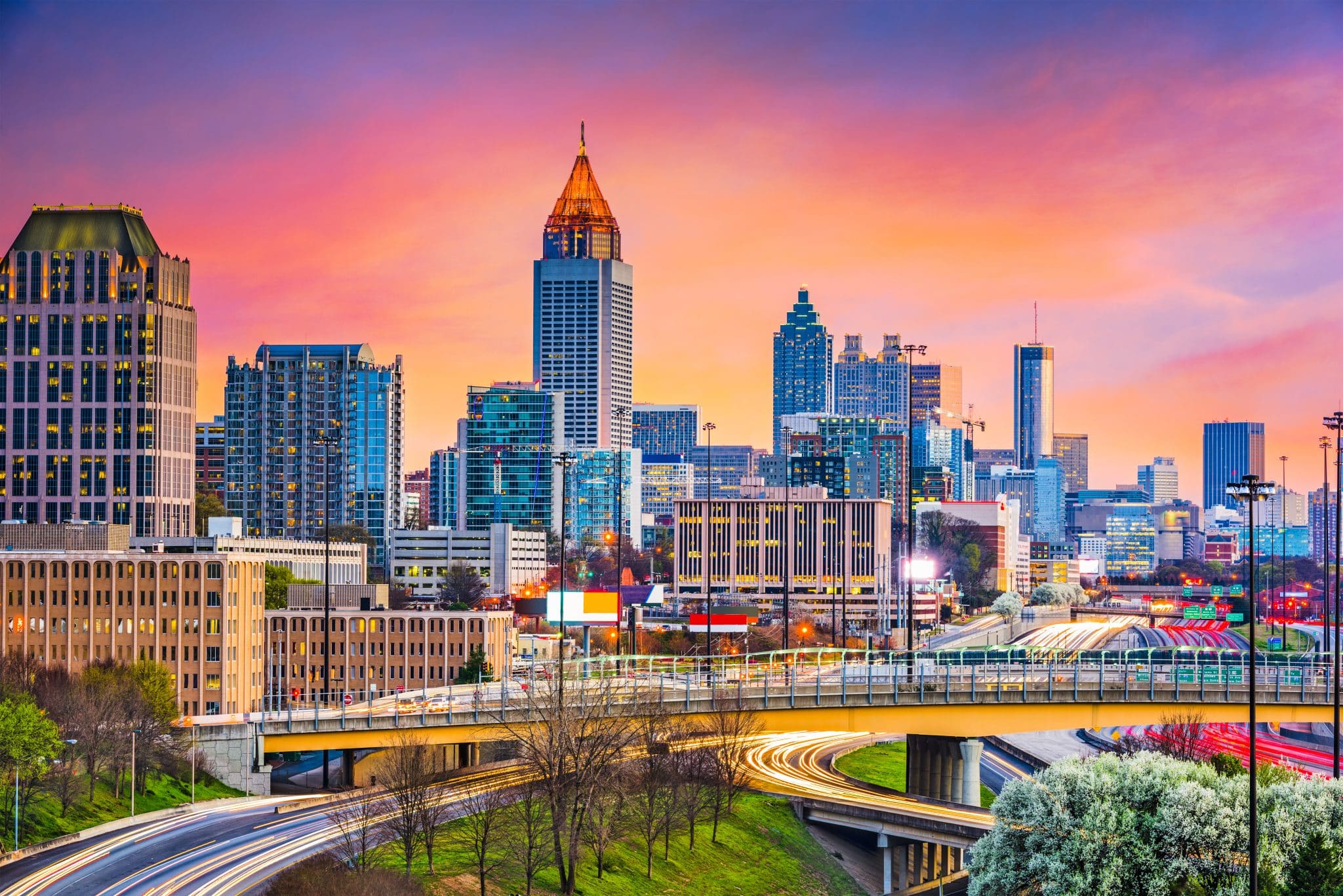
Home ownership is a significant investment, and protecting one’s property through comprehensive insurance coverage is crucial, particularly in places with a high risk of various natural and man-made hazards. Atlanta, Georgia, often referred to as the capital of the “New South,” is a bustling metropolis marked by steady economic growth, vibrant cultural heritage, and distinct weather patterns. Over the past few decades, the city has faced multiple events that underscore why homeowners insurance is so essential.
In this article, we will explore Atlanta’s geographic and historical context, examine the most common threats to homes, and highlight major weather and disaster events that have shaped the local insurance market. By understanding these high risks and the potential claims, consumers can make informed decisions about the types of coverage they need to adequately protect their homes in the Atlanta area.

Atlanta’s roots date back to the 1830s, when it was founded as a small railroad hub known as Terminus. Over time, the city grew rapidly, playing a pivotal role in the Civil War and later the Civil Rights Movement of the mid-20th century. Today, Atlanta stands as Georgia’s most populous city and the state capital. Its rich history has given rise to a dynamic cultural atmosphere, featuring iconic landmarks such as the Martin Luther King Jr. National Historical Park and the busy Midtown and Downtown districts.
Following the Civil War, Atlanta’s strategic location at the intersection of major rail lines helped it rise from the ashes of destruction. From the late 19th century into the early 20th century, the city invested in infrastructure and education, attracting a variety of industries.
This economic expansion has continued well into the 21st century, fueled by companies in technology, logistics, and finance. With new residents arriving every year, Atlanta’s suburban sprawl has extended in all directions, resulting in diverse neighborhoods and architectural styles.
Atlanta sits in north-central Georgia, characterized by rolling hills, lush forests, and a transitional climate bridging the subtropical and temperate zones. Winters are relatively mild but can bring occasional freezing temperatures, while summers are typically hot and humid. Atlanta’s elevation, roughly 1,050 feet above sea level, can moderate some weather extremes, but the city is still susceptible to severe thunderstorms, tornadoes, remnants of tropical storms and hurricanes, flooding, and, less frequently, snow and ice storms.
LocationCity: Atlanta, GA Counties: Fulton / DeKalb Counties Approx. population: About 499,000 Elevation: Roughly 1,050 ft Latitude: 33.7490 Longitude: -84.3880 | Climate & Severe WeatherRainfall: About 50–52 inches per year. Snowfall: Usually light, but ice and freezing rain can matter more than snow accumulation. Seasonal temperatures: Hot, humid summers with 90°F+ days; winter cold snaps can drop below freezing. Storm pattern: Damaging wind, hail, severe thunderstorms, occasional tornadoes, ice/freezing rain, and heavy rainfall. |
Flood, Water & TerrainFEMA notes: Riverine, flash, ponding, backwater, and urban flooding can occur; risk is higher near creeks, low-lying streets, older drainage systems, and dense urban runoff areas. Terrain: Elevated Piedmont city with hills, ridges, creeks, tree canopy, and urban drainage concerns. | Fire & Insurance ContextWildfire notes: Generally not a primary urban risk, but tree canopy, drought, and wooded suburban edges can matter. FAIR Plan: Georgia has a FAIR Plan / underwriting association. Likely challenges: Roof age, wind/hail deductibles, tree-related damage, water intrusion, urban flooding, older homes, and occasional freeze/ice claims. |
Understanding the environment and historical context helps illuminate the most pressing threats that Atlanta homeowners face. While each property’s unique risk profile may vary, there are several predominant hazards and catastrophes that often lead to homeowners insurance claims and many nonrenewed, leading to Atlanta high risk home insurance issues.
Throughout spring and summer, severe thunderstorms and tornadoes can cause significant damage, including broken windows, roof damage from hail, and catastrophic structural failures if a tornado directly hits. A notable example is the severe storms of April 2017, which resulted in thousands of claims and millions of dollars in property damage across the Atlanta metro area.
Though inland, Atlanta is vulnerable to the remnants of tropical storms and hurricanes, leading to roof leaks, water-damaged foundations, and drainage system failures. Historical examples include Hurricane Opal (1995) and Tropical Storm Alberto (1994), which brought heavy rains and winds, highlighting the need for flood and windstorm insurance.
Flash flooding in Atlanta, caused by heavy rainfall overwhelming streams and drainage systems, poses a significant risk. The devastating floods of September 2009 underscored this threat, causing substantial home damage and highlighting the critical need for flood insurance.
Although infrequent, ice storms and snow events can disrupt daily life, causing property damage such as fallen trees and burst pipes. Events in 2014 and 2017 exemplified how significant even modest winter weather could be for local homeowners.
Homes, especially older ones or those in densely populated areas, face fire risks from electrical issues, cooking mishaps, and heating system malfunctions. Insurance typically covers fire damage, but homeowners should regularly inspect their systems and maintain fire prevention measures. Wildfire risk is low in most areas but can occur in more rural areas.
As with any major city, theft and vandalism are potential risks. Homeowners can protect valuable items by adding supplemental endorsements to their standard insurance policies.

In March 2008, an EF2 tornado struck downtown Atlanta, damaging buildings, homes, and landmarks, resulting in extensive insurance claims for repairs and replacements.
In September 2009, severe flooding caused by unprecedented rainfall resulted in widespread property destruction and substantial claims, emphasizing the necessity of flood insurance even in unexpected areas.
Winter storms in these years led to widespread property damage from ice accumulation, burst pipes, and fallen trees, significantly impacting local insurance markets.
Remnants of hurricanes, including Irma in 2017 and Michael in 2018, brought high winds and heavy rain to Atlanta, resulting in widespread damage and significant insurance claims.
Atlanta’s history, growth, and climate present several unique risks for homeowners. Being informed about threats like storms, flooding, and fires can help residents better manage their insurance needs, ensuring adequate coverage and preparedness. Finding a specialist is easier than you might think, despite your situation.

Do I need separate flood insurance if I’m not near water?

Yes. Flash floods can occur unexpectedly, making separate flood coverage advisable.
What coverage is needed for tornadoes or severe storms?

Standard policies usually cover wind and hail, but reviewing specific deductibles and endorsements is recommended.
Can I insure high-value items separately?

Yes, through scheduled personal property endorsements for complete protection.
How can I reduce my home’s fire risk?

Conduct regular inspections, install smoke detectors, fire extinguishers, and sprinkler systems to enhance safety.
Are winter storms a major concern in Atlanta?

Though rare, they can cause significant disruptions and damage, making adequate coverage important.