Common High Risk Home Insurance Terms
Table of Contents
Understanding the Role of a Claims Adjuster
When a homeowner files an insurance claim, one of the first professionals they interact with is a claims adjuster. This person plays a central role in evaluating the situation, verifying coverage, and helping the insurance company decide how much should be paid. Understanding what adjusters do and how they work with homeowners is important for anyone navigating the claims process.
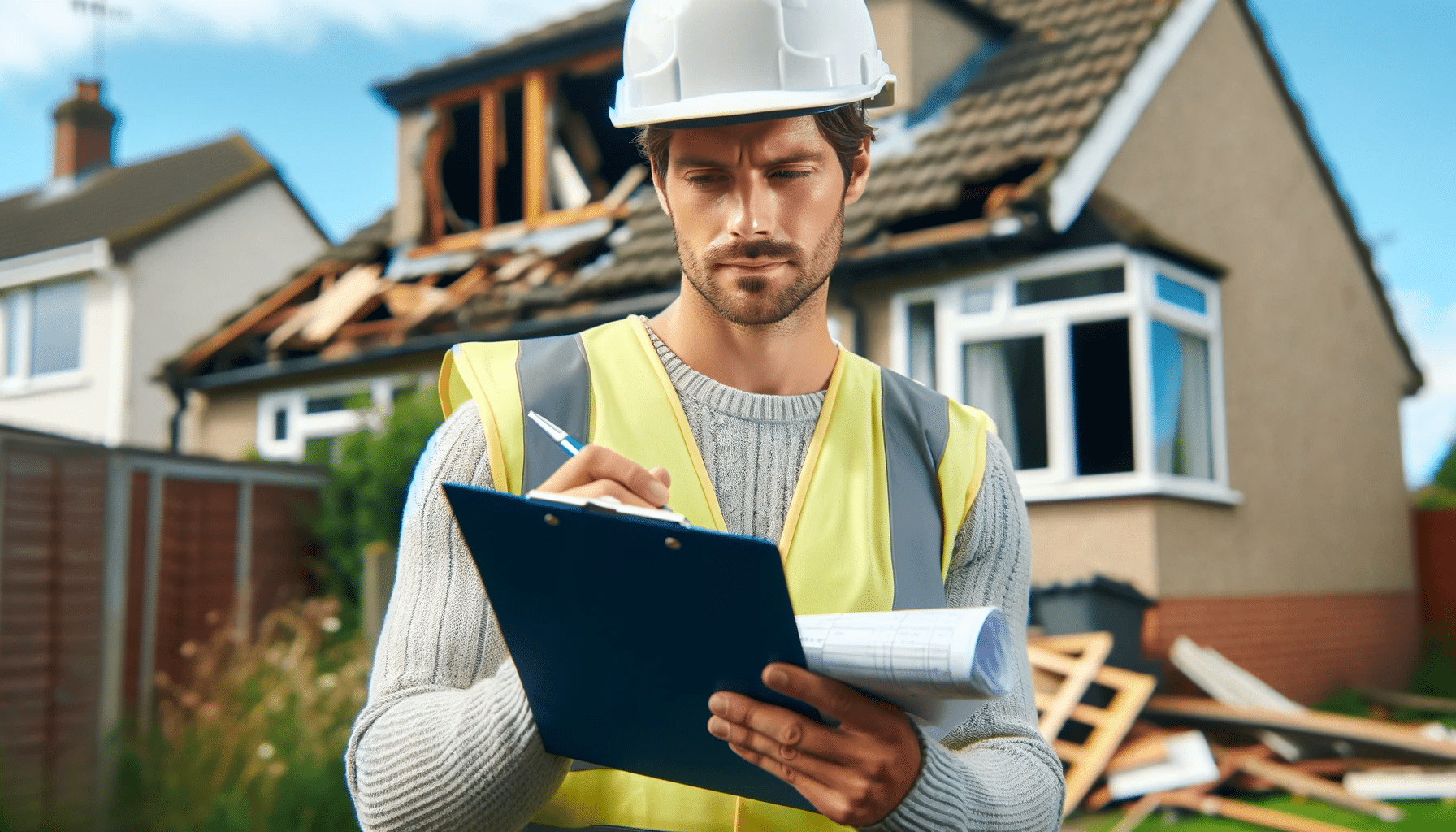
Home Insurance Adjuster -What is the Role of a Claims Adjuster?
A claims adjuster is responsible for investigating insurance claims related to property damage, liability, or other losses covered by a policy peril. Their primary duty is to determine whether a claim is valid under the terms of the policy and, if so, to recommend an appropriate settlement amount. Adjusters may be employed directly by an insurance company, work independently on a contract basis, or represent policyholders as public adjusters.

How the Process Works
The work of an adjuster often begins with gathering details about the incident. This may include reviewing the insurance policy, speaking with the homeowner, and collecting supporting documentation such as photos, receipts, or repair estimates. In cases involving property damage, the adjuster may visit the home to inspect the loss firsthand. Their inspection is designed to confirm the cause and extent of the damage, as well as to evaluate whether it is covered under the policy.
Once the facts are established, the adjuster prepares an estimate of the cost to repair or replace the damaged property. This estimate helps guide the insurer in deciding how much to pay. In many cases, the adjuster will also negotiate with contractors, repair professionals, or the homeowner to make sure the settlement is fair and consistent with industry standards. Their goal is to balance accuracy, fairness, and compliance with the terms of the insurance contract.
Insurance Definitions: What is a Direct Loss?
Regulatory Standards
Claims adjusters are expected to act with professionalism and integrity. They must follow state regulations that govern how claims are handled, including deadlines for communication, documentation requirements, and standards for fair dealing. Regulators take the role of adjusters seriously because their work directly impacts how quickly and fairly homeowners receive assistance after a loss.
Setting the Right Expectations
For homeowners, understanding that an adjuster’s role is fact-finding and evaluation can help set the right expectations. Typically, an adjuster does not make the final decision about a claim but provides the information that helps the insurance company reach that decision. This distinction is important because it shows that the adjuster is one piece of a larger process.
Types of Adjusters
In addition to company-employed and independent adjusters, some homeowners choose to hire a public adjuster. A public adjuster works on behalf of the policyholder rather than the insurance company. Their job is to advocate for the homeowner, prepare a detailed estimate, and negotiate directly with the insurer. While this service can be valuable in complex claims, it usually comes with a fee or percentage of the settlement.
The Role of Technology
Technology is also changing how adjusters work. Some inspections may now be handled virtually, with homeowners submitting photos or videos instead of scheduling in-person visits. Digital tools and claims management software can help speed up the process and create more transparency. However, in cases of significant or disputed damage, an on-site inspection is still the most reliable method.
Why Claims Adjusters Matter
Overall, claims adjusters provide a critical link between homeowners and insurance companies. By carefully reviewing evidence, applying policy terms and limits, and preparing accurate estimates, they help ensure that claims are resolved fairly and efficiently. Homeowners who understand the adjuster’s role are better prepared to communicate clearly, provide the necessary documentation, and move through the claims process with confidence.
Frequently Asked Questions: Claims Adjuster in Homeowners Insurance

What does a claims adjuster do?
A claims adjuster investigates insurance claims, inspects damages, and prepares an estimate to guide the insurer in determining payment.
Who employs claims adjusters?
They may work for insurance companies, operate independently, or serve policyholders as public adjusters.
Do adjusters decide how much a claim will pay?
Adjusters make recommendations based on their findings, but the insurance company makes the final decision on payment.
What should I expect during an adjuster’s inspection?
You can expect questions about what happened, a review of any documents you provide, and a physical or virtual inspection of the damage.
Are claims adjusters regulated?
Yes, states regulate how adjusters handle claims to ensure fairness, transparency, and compliance with insurance laws.
What is the difference between a company adjuster and a public adjuster?
A company adjuster represents the insurance company, while a public adjuster works directly for the homeowner.
Do I have to accept the adjuster’s estimate?
No, you can request clarification, provide additional documentation, or negotiate if you believe the estimate is too low.
How can I prepare for an adjuster’s visit?
Gather receipts, take photos of the damage, and be ready to explain the events that caused the loss. This information helps the adjuster prepare an accurate report.