Brush Fire & Wildfire Insurance Explored
Protect your home with brush fire & wildfire insurance. Compare coverage options, safeguard high-risk properties, and get a free insurance quote today.

Protect your home with brush fire & wildfire insurance. Compare coverage options, safeguard high-risk properties, and get a free insurance quote today.
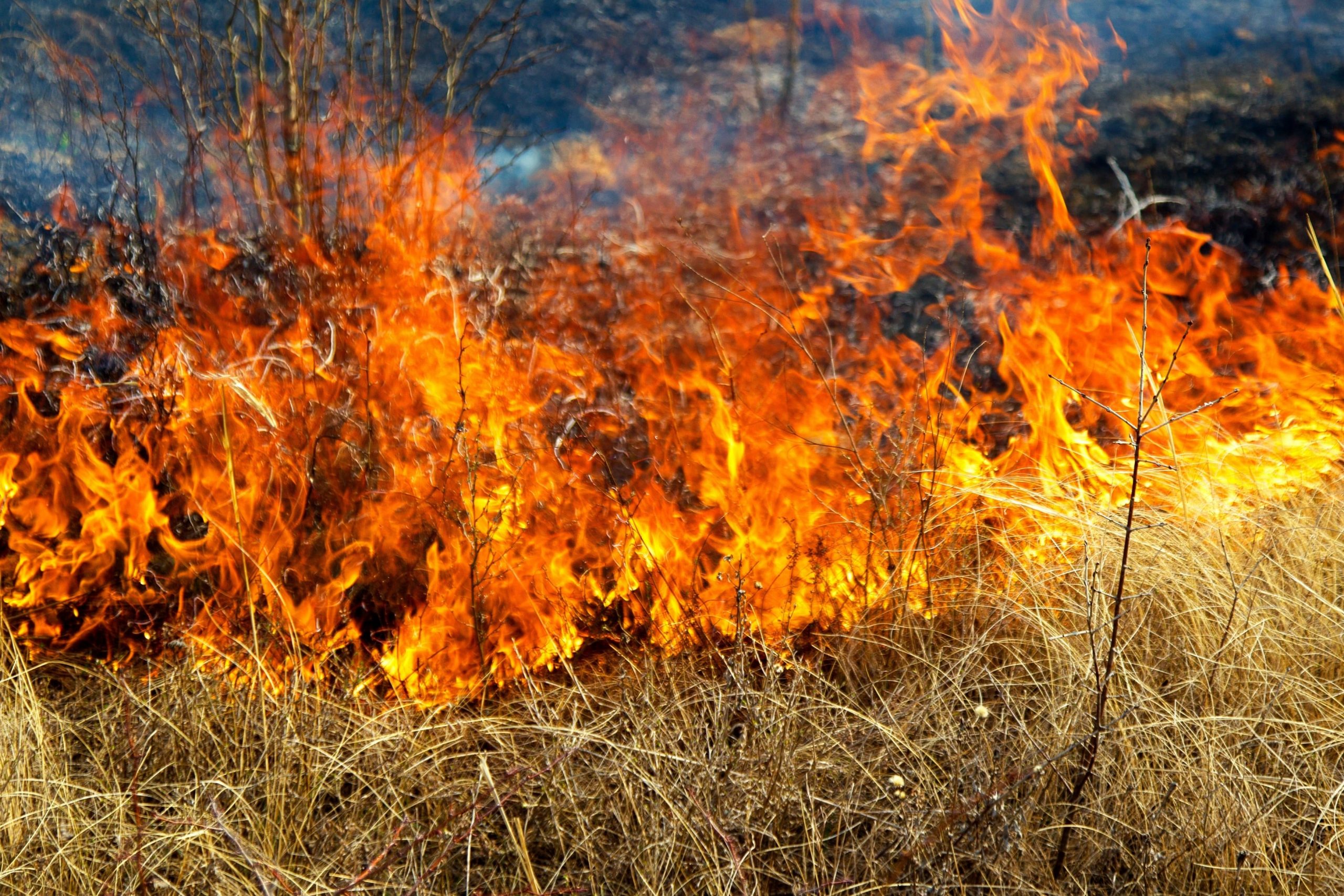
Owning a home in a beautiful location often comes with its risks, and brush fires are becoming one of the most pressing concerns for homeowners today. Fires can start unexpectedly and spread quickly, leaving homeowners vulnerable. We’re here to help you find the right wildfire insurance to protect your home and give you peace of mind.
Brush fires are a growing problem across the country. While California may lead the headlines, states like Arizona, Colorado, Oregon, parts of Texas and many other states have also seen devastating fires in recent years. If you live in an area with dense vegetation, dry conditions, or a history of fires, having the right wildfire insurance isn’t just important, it’s essential.
| Measure | 2026 through September 14 | Same period in 2025 | Change |
|---|---|---|---|
| Reported wildfires | 54,407 | 49,462 | +10.0% |
| Acres burned | 8,435,367 | 4,377,661 | +92.7% |
Preliminary year-to-date figures. Percentage changes calculated from data published by the National Interagency Fire Center in its September 14, 2026 report. Below are some of the most noteworthy fires year to date.
| Fire or complex | State | Reported acres burned |
|---|---|---|
| Rowe Creek Complex | Oregon | 373,927 |
| Little Giant | Washington | 172,695 |
| Sinlahekin | Washington | 166,026 |
| Aspen Acres | Colorado | 102,004 |
| Ross | Texas | 90,400 |
| McConnell | Nevada | 33,562 |
Selected incidents, not a ranking of all 2026 wildfires. Preliminary acreage figures from the National Interagency Fire Center report dated September 14, 2026.
Most brush fires are preventable. According to the National Interagency Fire Center (NIFC), 85% of wildfires are caused by human activity, including campfires, discarded cigarettes, and burning debris. Combine that with dry weather and more people moving into high-risk areas, and the chances of brush fires increase every year.
A wildfire doesn’t just threaten your personal safety and your house; it threatens your home and all the belongings inside. When evaluating your insurance needs, you must make sure you have enough homeowners insurance to cover not only the structure but also your personal property.
Consider the following aspects of your wildfire insurance coverage:
Dwelling Coverage: Is the limit high enough to completely rebuild your home at current construction costs?
Personal Property Coverage: Have you inventoried your belongings to ensure your coverage limit is adequate? This includes furniture, electronics, clothing, and other valuables.
Additional Living Expenses (ALE): If a wildfire forces you from your home, this coverage helps pay for temporary housing and other living costs.
Failing to account for the full replacement cost of your home and belongings could leave you underinsured after a disaster.
Assessing your property’s fire risk is a critical step in securing the right insurance and lowering your premium. Insurers evaluate several factors to determine your home’s vulnerability to wildfires. This process often involves looking at the surrounding landscape, the density of vegetation, and the construction materials of your home.
Effective wildfire mitigation can significantly reduce your risk. Actions like creating defensible space, using fire-resistant building materials, and regular property maintenance not only enhance your safety but can also make it easier to find affordable fire insurance. This proactive approach demonstrates to insurers that you are a responsible homeowner committed to risk management.
In areas prone to wildfires, finding comprehensive fire insurance can be a challenge. While a traditional insurance policy might offer some protection, specialized wildfire insurance policies are often necessary. These policies are designed to address the unique challenges that wildfires present.
Comparing your options is key. Here’s a look at how traditional and wildfire-specific policies often differ:
| Feature | Traditional Homeowners Insurance | Wildfire-Specific Insurance |
|---|---|---|
| Coverage Focus | Provides broad, all-perils protection. | Concentrates specifically on damage caused by wildfires. |
| Availability | May be limited or unavailable in high-risk areas. | Designed for and available in high-risk wildfire zones. |
| Premium Cost | Can be lower if wildfire risk is not a primary factor. | Premiums are based on specific wildfire risk models. |
| Policy Limits | May have standard limits for fire damage. | Often offers more tailored and comprehensive policy limits. |
Navigating the world of different policies and insurers can be complex, but dedicated protection is available.
The financial impact of wildfires is staggering:
These rising costs have led to higher insurance premiums and even policy cancellations for homeowners in fire-prone areas. That’s why it’s so important to explore your options now, before it’s too late.
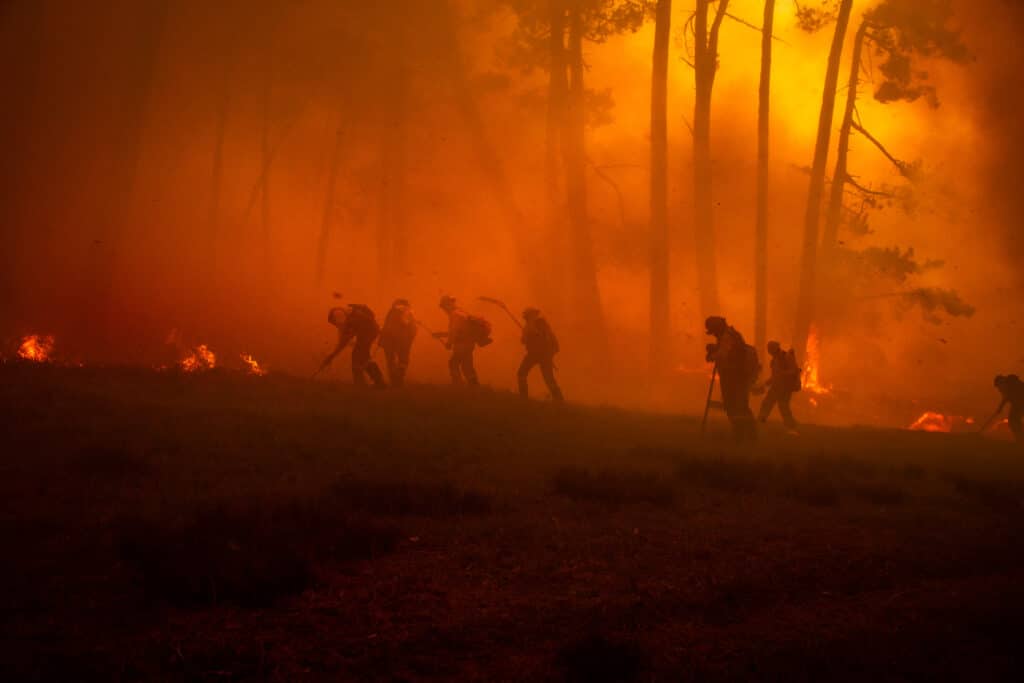
Finding the right brush fire insurance in high-risk areas can feel overwhelming, but it doesn’t have to be. We connect you with insurance providers who specialize in protecting homes in fire-prone areas. Here’s how we help:
Your first step in protecting your home is reviewing your current insurance policy. Make sure it includes:
If your policy doesn’t offer the coverage you need, you need a specialist to help explore better options in the private market.
Wildfires aren’t going away, in fact, they’re becoming more frequent and more intense. That’s why staying ahead of the risks is so important. We’re here to help you navigate your options and find the wildfire homeowners insurance coverage that’s right for you.
Don’t wait for the next fire season to start preparing. Contact us today, and let us help you find reliable, affordable insurance coverage that protects your home and your peace of mind.


Wildfires start when lightning or human activity ignites dry vegetation. Common human causes include unattended campfires, grilling, burning debris, equipment sparks, and discarded cigarettes. Dry conditions and strong winds can help fires spread quickly.

Hotter temperatures and prolonged dry conditions are increasing wildfire risk in many regions. Climate change dries vegetation and lengthens fire seasons, giving fires more opportunities to spread. Trends vary by location, but extreme wildfire activity has increased globally.

Remove dry leaves and debris from your roof, gutters, and beneath decks. Keep firewood, combustible mulch, and other flammable materials away from your house. Regularly trim vegetation and maintain spacing between plants to help slow approaching flames.

Defensible space is the maintained area around your home where vegetation and other combustible materials are managed to reduce wildfire risk. It helps slow fire spread and gives firefighters a safer place to work. The recommended distance and maintenance requirements depend on your property and local rules.

Most homeowners insurance policies cover wildfire damage, but some policies exclude it. Your payment depends on your coverage limits, deductible, and policy terms. Review your policy or ask your insurance agent to confirm coverage before a wildfire threatens your area.

Yes, an insurance company may decline to renew your homeowners policy because of wildfire risk. State laws govern notice requirements and may provide additional protections. If you receive a nonrenewal notice, contact your agent promptly to explore replacement coverage before your policy expires.